
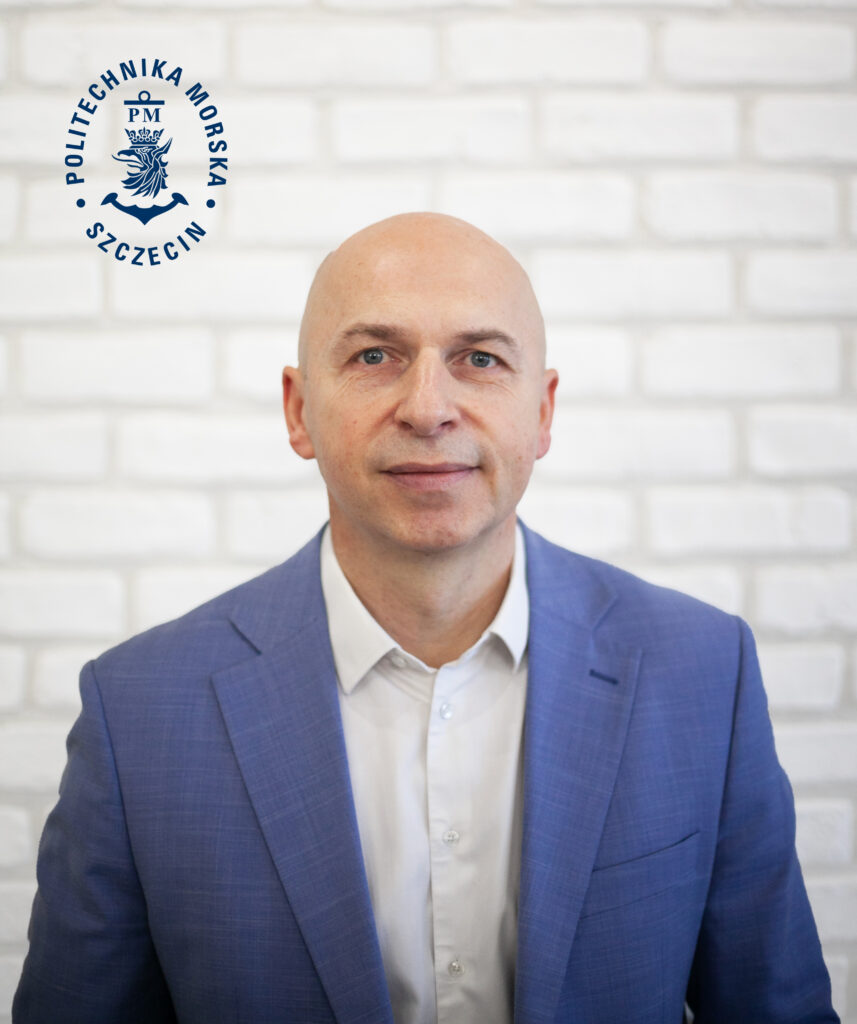
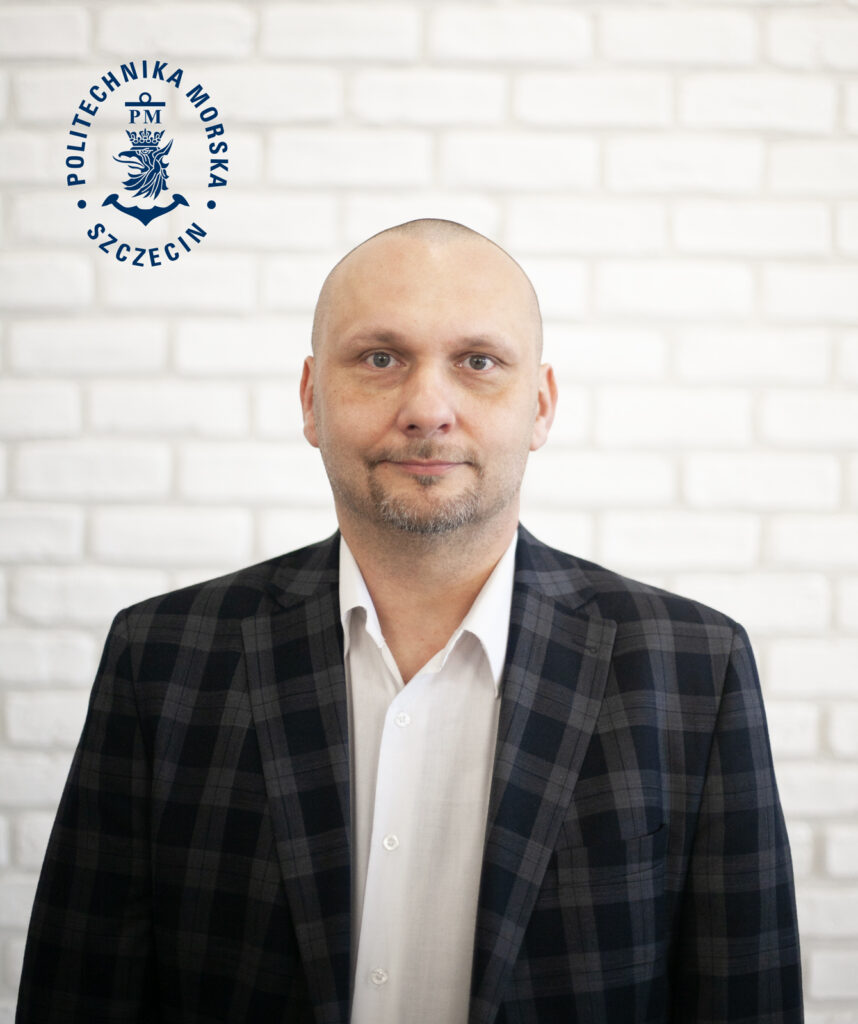
At the heart of the DigiTechPort2030 initiative lies a bold ambition: to accelerate green and digital transformation across small & medium-sized ports in the South Baltic region. The Maritime University of Szczecin (MUS) plays a key role in this effort—contributing expertise in smart sensor integration, energy optimisation tools, pilot evaluation, and knowledge transfer. In this interview, Maritime University of Szczecin representatives Stefan Jankowski and Marcin Przywarty discuss the Green Energy Harmonisation Toolbox, practical applications of sensor technology, and how these innovations are empowering ports on their path to decarbonisation and sustainability.
DigiTechPort2030: Maritime University of Szczecin is strongly involved in digital innovation, energy optimisation, and knowledge transfer for the maritime sector. Could you briefly introduce your main areas of expertise and how they align with the goals of the DigiTechPort2030 project?
Maritime University of Szczecin: The Maritime University of Szczecin (MUS) is a research-oriented technical institution with strong expertise in digital innovation, energy optimisation and knowledge transfer dedicated to the maritime sector. Within the DigiTechPort2030 project, MUS actively contributes to strengthening the sustainability, digital readiness and decarbonisation capacities of small and medium-sized ports in the South Baltic region. The university conducts advanced applied research in smart technologies, including the integration of digital sensors and data-driven systems that improve operational efficiency and energy use in port environments. This includes practical work within the project, such as installing and testing smart sensor modules on electric port equipment to support the development of data-based optimisation models.
At the same time, MUS engages in developing strategies and methodologies supporting the reduction of energy consumption and environmental impacts in ports. This work directly feeds into DigiTechPort2030’s core outputs, such as the Green Energy Harmonisation Toolbox and the Green Policy Compliance Roadmap, which together enable both immediate decarbonisation measures and long-term alignment with EU climate goals. Knowledge transfer is another essential area of MUS expertise: through the Centre for Maritime Technology Transfer, the university promotes the application of research results in industry, facilitates cooperation with port authorities and enterprises, and strengthens the region’s capacity to adopt innovative solutions.
Supported by modern research infrastructure and specialised academic units focused on navigation, port operations and digital technologies, MUS is well positioned to contribute to the digital and green transition in the maritime sector. Its combined capabilities in maritime digitalisation, energy efficiency analysis and technology transfer align closely with the ambitions of DigiTechPort2030, ensuring that ports are equipped with the tools, data and competencies needed for effective decarbonisation and sustainable development.
DigiTechPort2030: During your last DigiTechPort2030 webinar, you presented the Green Energy Harmonisation Toolbox. Could you explain what this toolbox does and how it supports small and medium-sized ports in improving their energy efficiency and adopting greener energy solutions?
Maritime University of Szczecin: Green Energy Harmonisation Toolbox is a practical, data-driven solution designed to help small and medium-sized ports (SMSPs) navigate the complex process of energy transition. The toolbox brings together knowledge, methodologies and digital instruments that support ports in understanding their current energy situation, identifying feasible green technologies and planning future investments in a structured and evidence-based way. Its development is grounded in the project’s earlier work, including the state-of-the-art assessment of available green energy technologies and the Green Transformation Compass, which evaluates a port’s readiness for transition across strategic, managerial, infrastructural and operational dimensions.
At its core, the toolbox enables ports to analyse real operational data and model how different green energy measures could influence their energy consumption, emissions and overall efficiency. By integrating both theoretical insights and practical inputs, the tool helps ports understand which technologies—such as solar or wind power systems, electrified equipment, alternative fuels or onshore power supply—best fit their specific operational profiles, scale and financial constraints. It also supports the evaluation of return on investment and energy demand patterns, allowing port managers to make informed and realistic decisions.
Another key function of the toolbox is to guide ports through the complexities of new European regulations linked to the Green Deal, Fit for 55 and maritime decarbonisation policies. By linking energy strategies with regulatory obligations, it helps SMSPs understand not only what technologies are available, but also how these choices support compliance with upcoming environmental targets. In addition, the methodology behind the toolbox incorporates human and organisational factors, offering capacity-building activities such as online seminars for port employees so that technological changes are accompanied by improved competencies and awareness.
Ultimately, the Green Energy Harmonisation Toolbox acts as both a strategic and operational support instrument. It enables ports to immediately assess feasible green actions, prepare for long-term energy transition, and strengthen resilience in an increasingly demanding regulatory and economic environment. Through its combination of data, modelling, technology assessment and knowledge transfer, it provides SMSPs with a clear, practical pathway to improve their energy efficiency and adopt greener, more sustainable energy solutions.
DigiTechPort2030: From your perspective, what practical advantages can port managers gain from using the toolbox — for example, in analysing energy flows, integrating renewable sources, or reducing carbon emissions?
Maritime University of Szczecin: From a practical perspective, the Green Energy Harmonisation Toolbox offers port managers a clear set of advantages that directly support day-to-day decision-making as well as long-term strategic planning. Its most important benefit lies in providing an accurate and data-driven overview of how energy is currently being used across port operations. By gathering and analysing real operational data—such as equipment runtime, electricity and fuel consumption, or the performance of individual systems—the toolbox helps managers visualise energy flows within the port and identify where inefficiencies or unnecessary losses occur. This creates a solid foundation for targeted improvements instead of relying on assumptions or fragmented information.
Another major advantage is the toolbox’s ability to evaluate the suitability of different renewable energy solutions for a specific port environment. Because small and medium-sized ports vary widely in scale, infrastructure and financial capacity, choosing the right green technologies can be challenging. The toolbox supports this process by comparing options such as solar panels, wind installations, hybrid systems, electrified cargo-handling equipment or onshore power supply and modelling how these solutions would perform under real conditions. This helps port managers understand expected energy savings, operational changes, investment needs and long-term benefits, enabling confident planning and prioritisation.
The toolbox also plays a crucial role in helping ports reduce their carbon emissions. By combining emissions calculation methods with forecasts based on different technology choices, it allows managers to quantify how specific actions—such as electrifying equipment, integrating renewable sources, or optimising energy consumption—translate into reduced CO₂ output. This not only supports environmental goals but also helps ports prepare for EU regulatory requirements, where meeting emission targets will increasingly influence operational legitimacy and financial performance.
Overall, the toolbox gives port managers a set of practical instruments to monitor, plan and implement energy-related improvements in a structured way. It reduces uncertainty around investment decisions, clarifies regulatory implications, and offers a realistic pathway towards greener, more efficient and more resilient port operations.
DigiTechPort2030: Maritime University of Szczecin is actively contributing to the project’s work on smart sensor integration for enhanced port operations. Could you describe how sensor-based systems can support safer, more efficient, or more sustainable port activities?
Maritime University of Szczecin: We have prepared sets of sensors that measure linear and angular accelerations, the Earth’s magnetic field, and atmospheric pressure. We have already completed the data-collection phase, during which the sensors were installed on an electric forklift to record the movement and orientation of the entire vehicle, as well as the position and altitude of the loading device (the fork). Additionally, we recorded the battery status, charging times, and idle times.
We are currently cleaning and processing the data to reconstruct how the vehicle operates during regular work. Therefore, we expect to obtain the first research results at the beginning of next year.
The main objective of the research is to verify the operational effectiveness and the greenhouse-gas reduction potential of an electric forklift in comparison with a similar vehicle powered by fossil fuels.
Other goals include determining whether such monitoring can improve port operations in terms of efficiency, safety, and sustainability. We assume that monitoring the behavior of port vehicles using this type of sensor set will make it possible to optimize routes, operational processes, and charging schedules. Any deviation from historical patterns could indicate an approaching malfunction. For example, an increase in charging frequency and/or charging duration may suggest reduced battery capacity, while longer lifting times may indicate problems with the loading device.
DigiTechPort2030: As the Maritime University of Szczecin is responsible for external evaluation and verification of the project’s pilot activities, how do you approach this role? What criteria or methods do you use to ensure that pilots are assessed objectively and that results are transferable to other ports?
Maritime University of Szczecin: Within the project, several pilot activities are being carried out at the following locations: Świnoujście Euroterminal, the Port of Karlshamn, the Port of Rostock, the Seaport of Klaipėda, the Port of Elbląg, and the Port of Vordingborg.
We have prepared a checklist template that allows partners responsible for individual pilots to assess the compliance between project outputs and initial assumptions. Both quantitative indicators, such as reductions in fossil fuel consumption and environmental impact in terms of greenhouse gas (GHG) emissions, and qualitative methods, including operational impact and corrective measures, will be applied.
The final report, compiled as a single document encompassing all pilot activities, will be reviewed and evaluated by selected external experts.
DigiTechPort2030: With WP4 now starting, what are the main priorities for Maritime University of Szczecin in terms of knowledge transfer, workshops, and preparing ports to implement DigiTechPort2030 tools in line with EU green policy requirements?
Maritime University of Szczecin: The primary objective of the project is to increase public awareness of the environmental footprint left by modern civilization, particularly in relation to transport and logistics activities. We aim to highlight how everyday operational decisions translate into measurable impacts on the natural environment and how these impacts can be mitigated through informed and responsible actions.
Within the project, we focus on the development and evaluation of sustainable solutions tailored to the maritime sector, with particular emphasis on port operations. Ports play a crucial role in global supply chains and are also significant sources of emissions and environmental pressure. By introducing optimized operational procedures, alternative energy sources, and intelligent monitoring systems, ports can substantially reduce their environmental impact. Importantly, many of the solutions developed within the maritime context are transferable to other sectors, including urban transport systems and inland logistics operations.
The dissemination of project results is a key component of our activities. We plan to organize interactive workshops and seminars targeting a broad and diverse audience, including school pupils, university students, industry professionals, and public authorities. These events will be designed to combine theoretical knowledge with practical examples and case studies derived from real-world pilot implementations.
In addition to in-person events, we will ensure wide accessibility of project outcomes through dedicated online tools. These include the Harmonisation Toolbox, which supports the alignment of sustainable practices across different stakeholders, and the Green Transformation Compass, which serves as a decision-support instrument for organizations seeking to plan and implement environmentally responsible transformations. Together, these tools will facilitate knowledge transfer, promote best practices, and support long-term behavioral change beyond the duration of the project.
DigiTechPort2030: Thank you for your time!
Keep an eye out for future interviews showcasing the DigiTechPort2030 project partners!
Don’t forget to visit us on LinkedIn for more updates.